Italian Bread Subway
We set out to recreate the soft, airy sub roll you crave using simple ingredients and reliable technique. Our goal is to build a solid foundation for sandwiches that tastes like the shop-made version but comes from your oven.
Back in our teen years working at a sandwich shop, we learned that the dough arrived frozen and needed careful proofing and even baking to reach its fluffy texture. That real-world insight shaped this subway bread recipe for home bakers.
We focus on clear steps: mix flour, water, yeast, and a touch of sugar, then proof the dough in a warm bowl until light. With practical tips on time, shaping, and baking, you can produce eight footlong rolls that hold herbs, cheese, and any sandwich filling with ease.
The Secret to Perfect Italian Bread Subway Style
We focused on small, targeted tweaks that turn basic dough into soft, bakery-style rolls. The biggest wins came from adding eggs and instant mashed potato flakes as dough enhancers. These ingredients help the crumb stay tender and springy.
We also increased yeast slightly so the dough rises faster and forms an airy interior. Proper hydration and giving the dough time to rest in a warm bowl are essential. Aim for a slightly sticky but manageable dough before shaping into logs.
To nail the signature aroma and taste, balance dried herbs and grated parmesan for the topping. That herb-and-cheese layer turns simple rolls into standout sandwich bases.
- Eggs + potato flakes = softer crumb and improved shelf life.
- More yeast = quicker rise and lighter texture.
- Resting in a warm bowl = better gluten structure for shaping.
| Technique | Why it matters | Result |
|---|---|---|
| Dough enhancers | Improve moisture and softness | Fluffier rolls |
| Yeast level | Controls rise speed | Airy crumb |
| Rest time | Allows gluten development | Even texture |
Essential Ingredients for Authentic Flavor
The foundation of great sub rolls lies in flour choice, proper hydration, and the right enhancers.
Selecting the Right Flour
We recommend King Arthur Special Patent Flour for structure and a tender crumb. Its protein level gives strength without toughness.
Use a scale for accuracy. Combine flour with warm water to reach the slightly sticky consistency we want for shaping.
The Role of Dough Enhancers
Red Star Instant dry yeast gives reliable rise when dissolved in warm water. Do not use water that is too hot; it will kill yeast.
Instant mashed potato flakes add moisture and help the dough stay soft for days. We add a measured amount to the mixing bowl during blending.
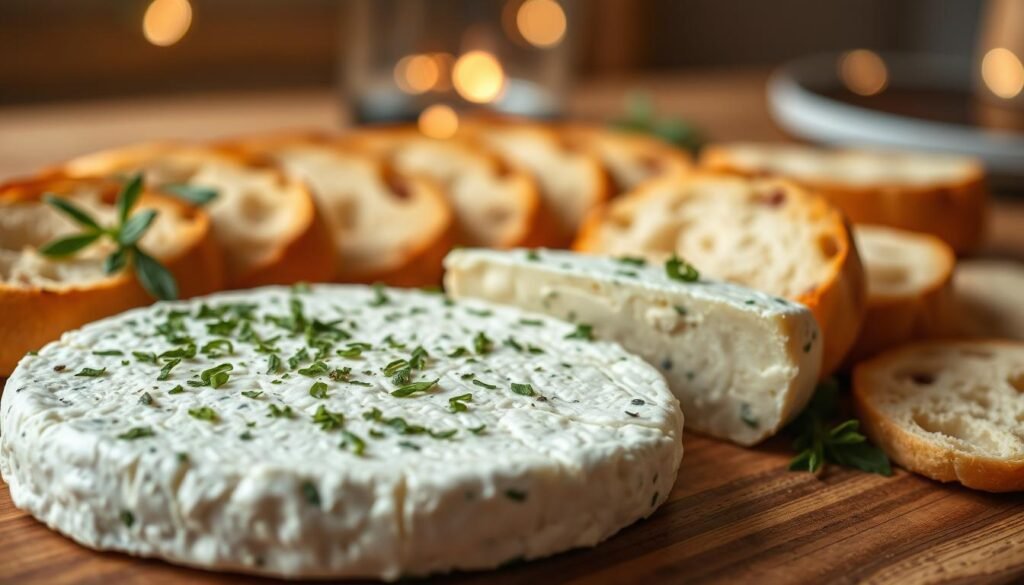
- Garlic powder, dried oregano, and grated parmesan create the italian herb cheese topping.
- Salt and a touch of sugar balance flavor and feed the yeast.
- For consistent gluten development, use a stand mixer or knead in a large mixing bowl.
| Ingredient | Why we use it | Result |
|---|---|---|
| King Arthur flour | Right protein for structure | Tender, stable rolls |
| Instant potato flakes | Hold moisture | Pillowy crumb |
| Red Star yeast | Consistent rise | Even oven spring in minutes |
Professional Tools for Bakery Results
Great technique starts with gear that removes guesswork. We rely on silicone sub roll mats to shape even logs and to give the rolls a perforated bottom for better airflow and crisping.
For capacity and heat consistency, an 18×13 sheet pan fits two silicone molds and lets us bake multiple rolls at once without crowding. A reliable baking sheet spreads heat so each roll browns evenly.
A professional-grade stand mixer saves time and builds the gluten structure we need. It kneads dough thoroughly so we reach the right elasticity in minutes.
- Sharp razors or serrated knives are essential for scoring; clean cuts let the dough expand without tearing.
- Use scales and measuring tools to divide dough into precise 10‑ounce pieces for a perfect footlong sub roll.
- These tools make this cheese bread and italian herb cheese recipe repeatable, even for beginners.
| Tool | Purpose | Result |
|---|---|---|
| Silicone sub roll mat | Shapes rolls; perforated bottom | Even form and crisp base |
| 18×13 sheet pan | Holds molds; distributes heat | Uniform baking across tray |
| Stand mixer | Kneads dough to correct elasticity | Consistent crumb and rise |
| Scoring blade & scale | Score tops; weigh portions | Clean expansion; uniform rolls |
Mastering the Dough Preparation Process
Perfect dough comes from a few precise actions: measured ingredients, steady kneading, and a short rest. We explain each step so you get consistent rolls and size every time.

Mixing and Kneading
We start in a large mixing bowl. Combine yeast with warm water, then add flour, salt, and sugar. Mix until the mass forms.
Use a stand mixer on low and knead for 6 minutes. This builds gluten for structure without overworking the dough.
Achieving the Perfect Consistency
The ideal dough is slightly sticky and stretchy. That tack ensures a soft, airy crumb in the finished bread recipe.
- Divide the dough into 4 equal pieces, then cut each in half for 8 pieces.
- Each piece should weigh 10 ounces to form a 12-inch sub-sized roll.
The Importance of Resting
After kneading, let the dough rest for 10 minutes. This short break relaxes gluten and makes shaping easier.
| Step | Action | Result |
|---|---|---|
| Mixing | Combine yeast + warm water in mixing bowl | Evenly hydrated dough |
| Kneading | 6 minutes in stand mixer | Developed gluten and elasticity |
| Dividing | 8 equal pieces at 10 ounces | Consistent roll size |
| Resting | 10 minutes after knead | Relaxed dough for shaping |
Shaping and Proofing Techniques
Shaping and proofing set the stage for consistent, airy rolls every bake. We form each piece into a 12-inch log so thickness stays even and baking is predictable.
We place shaped rolls on a silicone mat atop the baking sheet and score the tops with 3–4 slashes. Scoring gives the dough room to expand and creates an even crust during baking.
- Let shaped dough rise in a warm bowl or proofing area until it has tripled in size — this can take up to 1 hour.
- Spray the tops with water before adding seasoning, herbs, and cheese so the topping adheres.
- Preheat the oven to 375°F; bake 15–18 minutes for a golden crust and tender crumb.
- Cool rolls in their silicone molds before removing to preserve shape and structure.
| Step | What to do | Result |
|---|---|---|
| Shaping | Roll each piece to uniform size using a stand mixer-rested dough | Even sub roll with consistent oven spring |
| Proofing | Warm bowl or proof box until tripled (up to 60 minutes) | Light, airy interior for sandwich-ready bread |
| Topping & baking | Spritz with water, add herb cheese mix, bake on sheet at 375°F | Golden, seasoned crust and soft crumb |
Adding the Signature Herb and Cheese Topping
A bright, savory topping is what turns a simple roll into a signature sandwich base. Our finishing mix adds aroma and a golden crust that pairs with any filling.
Creating the herb blend
We make the signature mix by combining dried oregano, garlic powder, dried parsley, and grated parmesan in a small bowl. This italian herb cheese blend delivers savory depth and a slightly tangy finish.
After the shaped dough has tripled, we give each log a light spray of water. Then we sprinkle a layer of finely shredded Colby and Monterey Jack cheese on top.

- Mix oregano, garlic powder, parsley, and parmesan in a bowl for even seasoning.
- Wait until the dough has tripled before adding Colby and jack cheese to avoid weighing it down.
- Spritz water first so the herbs and cheese adhere across each roll.
| Step | Why | Result |
|---|---|---|
| Herb mix | Even distribution of flavor | Consistent italian herb cheese profile |
| Timing | Add cheese after proofing | Light, airy crumb preserved |
| Water spray | Helps topping stick | Full coverage and golden finish |
| Cheese combo | Parmesan + Jack blend | Savory, melty cheese bread topping |
Best Practices for Storing and Freezing
A quick storage routine saves time and preserves the flavor of every loaf. After baking, cool rolls completely on a sheet so steam doesn’t collect inside the bag.
For short-term use, place cooled bread in an airtight bag and store at room temperature for up to 3 days. This keeps the crumb soft for sandwiches and daily meals.
For longer storage, freeze cooled rolls. Let them cool fully before bagging to prevent frost and soggy texture. In a standard freezer they keep up to 3 months; a deep freezer can extend quality to 6 months.
- Do not freeze raw dough — we find it loses rise and texture after freezing.
- To use frozen rolls, thaw overnight at room temperature, then toast or warm for a few minutes before serving.
- Keep a few extra pieces in the freezer for quick meals and consistent quality across recipes.
| Storage method | Steps | Result |
|---|---|---|
| Room temp | Airtight bag, cooled rolls | Fresh for up to 3 days |
| Freezer | Cool completely, double-bag if needed | 3 months (standard) / 6 months (deep) |
| Reheat | Thaw overnight, toast or warm | Restored texture and melted cheese topping |
Elevating Your Homemade Sandwich Experience
Bring your homemade sub rolls to the next level with simple finishing touches and steady timing. Use quality flour, warm water, and precise measurements in the mixing bowl for consistent dough every time.
Top baked rolls with our italian herb cheese and a light sprinkle of italian seasoning to create memorable cheese bread. Let cooled pieces rest before slicing so the crumb stays tender.
Follow the recipe, trust the minutes for rise and bake, and adjust toppings like jack cheese or extra herbs to suit your family. With these pro techniques, your sandwich game will reliably taste like a bakery favorite.