Does Subway Have Gluten Free Bread
We explored a common question many diners asked when choosing fast food on the go. Our team reviewed menu notes, statements, and customer reports to create a clear guide for people with sensitivity concerns.
Finding a safe sandwich option at a large chain required careful checking of ingredient lists and handling practices. We focused on how the item was prepared and whether cross-contact risks were addressed by staff.
This short introduction set the stage for a practical, factual review. Read on to learn what we found and how it might affect your choices when you eat out.
Understanding the Current Menu Offerings
On 1/21/2026 we reviewed the updated menu to see which choices support a gluten-free meal. The company added clearer notes and labeled select items for people avoiding gluten.
Not every restaurant stocks the gluten free bread option. Availability varies by location. We advise checking the official website or calling ahead before you visit.
The updated listings show some items are prepared differently to lower cross-contact. Staff training and separate packaging are noted at participating restaurants.
- Check local menu pages for availability.
- Confirm preparation methods for sensitive diners.
- Pick an option that fits your medical needs and taste.
| Availability Factor | What to Check | Why It Matters |
|---|---|---|
| Location Stock | Local menu listing or phone call | Not all sites carry the free bread |
| Preparation | Separate packaging or prep steps | Reduces cross-contact risk |
| Menu Labels | Ingredient notes dated 1/21/2026 | Shows which items are adapted |
Does Subway Have Gluten Free Bread
We traced the product’s sealed journey from its dedicated facility to the sandwich prep area to verify handling and storage steps.
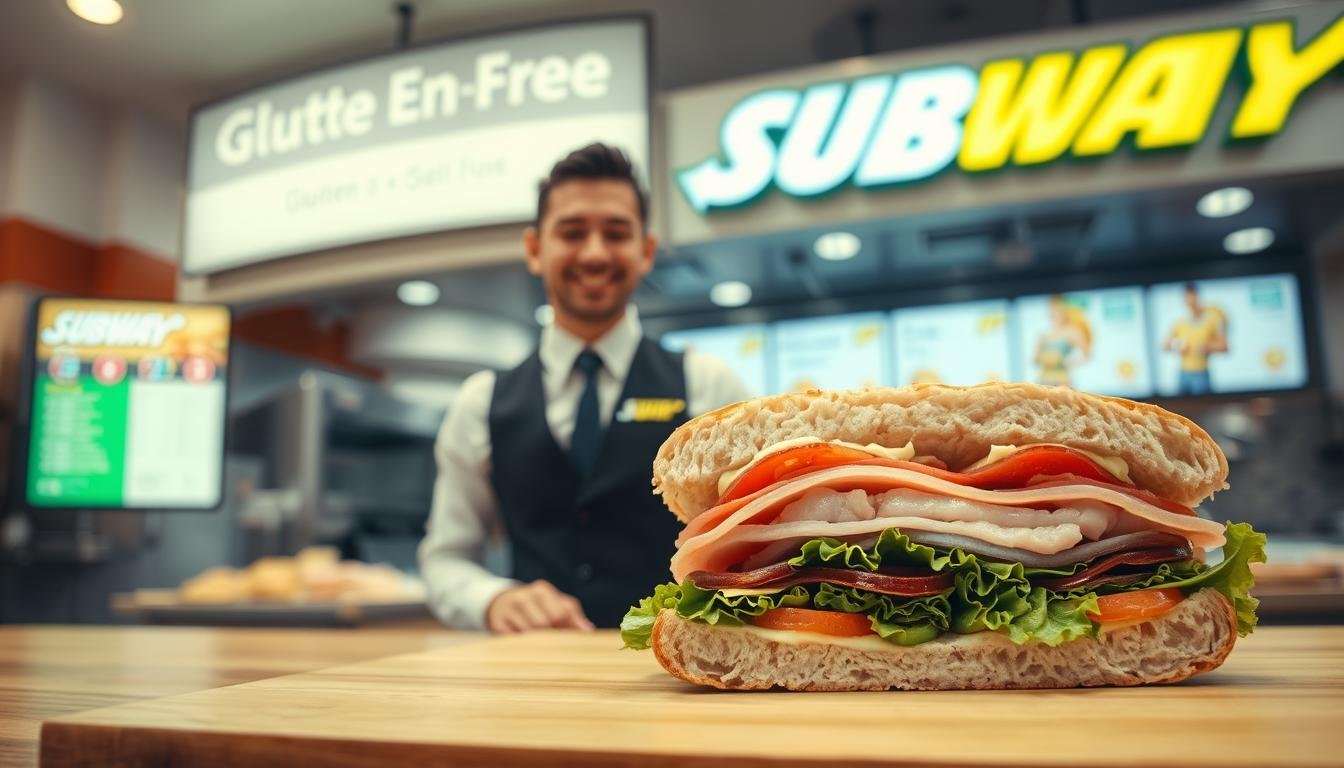
The loaf is produced in a dedicated facility and arrives at stores sealed in plastic. This sealed packaging reduces contamination risk before staff touch the item.
When you order a sub, staff are trained to use fresh deli paper and a separate toaster oven to limit contact with crumbs. We recommend calling ahead to save time and confirm regional availability.
- The sealed packaging stays closed until the last moment of prep.
- Staff use clean paper and a designated oven to reduce cross-contamination.
- Availability varies by location, so ask for current information before you visit.
| Step | Practice | Why it matters |
|---|---|---|
| Packaging | Sealed plastic from dedicated facility | Limits early contamination of bread |
| In-store handling | Fresh deli paper and separate toaster oven | Reduces crumbs and cross-contamination |
| Regional supply | Stock varies by store and time | Calling ahead saves time and ensures the option is available |
Many people with celiac disease value seeing the sealed package opened only at the point of prep. Always ask staff for the latest information on how they handle this option to keep your meal as safe as possible.
The Reality of Cross Contamination Risks
In busy sandwich shops, shared counters and tools create real cross-contact risks.
Company policy states staff cannot guarantee 100% freedom from allergen cross-contact. We reviewed how this plays out in daily service. Staff should change gloves and clean prep areas, but that practice is not always consistent.
Shared Preparation Surfaces
Because prep counters and utensils are used for many ingredients, crumbs and traces can move between orders. A single crumb can trigger a serious reaction in someone with celiac disease or other allergen sensitivities.
- Shared toaster ovens may be lined with paper, yet the oven environment is not entirely free from cross contact.
- Even when staff switch gloves, surface crumbs in the area remain a persistent risk.
- Restaurants try to reduce contamination, but a busy line makes total control difficult.
| Risk Point | Typical Practice | Why It Matters |
|---|---|---|
| Prep counter | Wiped between orders when staff can | Crumbs linger and can transfer to a sub |
| Gloves/handling | Gloves changed on request or periodically | Inconsistent use increases allergen contact |
| Toaster oven | Paper used but oven shared | Heat and crumbs can cause cross-contamination |
| Ingredient flow | Multiple sandwiches made at once | Higher chance of cross-contact during busy times |
Identifying Safe Protein and Vegetable Options
We checked which proteins and produce are reliably safe for people avoiding gluten when building a meal.
Avoid the sweet onion teriyaki chicken and the meatballs; both items contain gluten and should not be chosen if you need a low-risk protein.
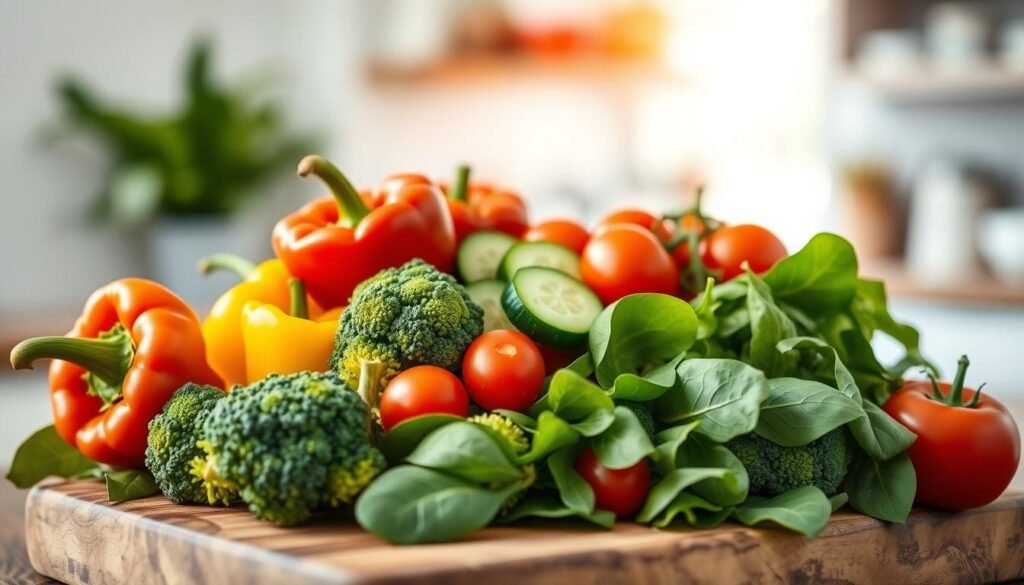
All vegetables offered are gluten free, so you can load your sandwich or salad with confidence. Fresh produce is a safe way to add volume and flavor without hidden sauces or crumbs.
- Choose plain proteins such as roast beef or other simple, unseasoned meats to limit exposure to hidden ingredients.
- If you prefer a protein bowl, double the meat and cheese. That creates a hearty meal without relying on bread.
- Watch for flavored chicken or processed items, which often include wheat-based sauces or binders.
| Category | Safe Picks | Notes |
|---|---|---|
| Vegetables | All standard vegetables | Can be added liberally to sandwiches and salads |
| Proteins | Roast beef, plain meats | Avoid sweet onion teriyaki chicken and meatballs |
| Meal ideas | Protein bowl, loaded salad | Double meat and cheese for extra protein |
Navigating Sauces and Cheese Selections
To help you build a safe order, we checked every sauce and cheese label for gluten content. Most condiments are low risk, but one popular dressing contains wheat-based ingredients. That sauce should be avoided if you must limit exposure.
We found the chipotle southwest sauce is a reliable, tasty choice for a sandwich or salad. It adds bold flavor without introducing the problematic ingredient.
- Most sauces are safe, but avoid sweet onion teriyaki — it contains wheat-derived material.
- Chipotle southwest is a favored gluten‑safe option for adding spice.
- All cheeses, including the shredded Monterey and cheddar blend, are safe to add to your meal.
- When ordering chicken or other proteins, feel free to pair them with these sauces and cheeses to enhance taste.
- Always recheck current ingredient lists, since recipes and options can change.
| Item | Risk | Notes |
|---|---|---|
| Sweet onion teriyaki sauce | High | Contains wheat-based ingredients; avoid |
| Chipotle southwest sauce | Low | Popular, bold, suitable for sandwich or salad |
| Shredded Monterey & cheddar | Low | Dairy blend; safe to add to meals |
| Chicken proteins | Variable | Plain chicken is safe; flavored options may include wheat |
Essential Tips for Ordering Safely
Being specific about how your meal is made helps staff keep your food away from stray crumbs. We recommend a few clear requests that reduce cross-contact risk during prep.
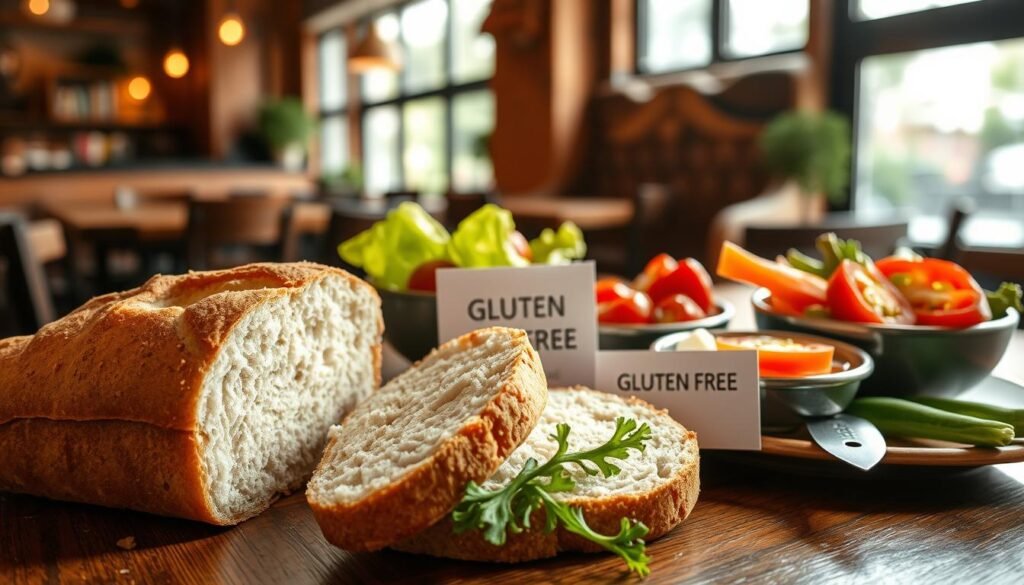
Requesting Fresh Gloves
Always ask the staff to change gloves before they start your order. Changing gloves is a quick step that cuts down contamination and keeps allergens from moving between sandwiches.
Using Clean Utensils
Ask for a fresh knife when your sandwich is cut. A new knife avoids crumbs from prior orders and lowers cross-contamination in deli areas.
Communicating with Staff
Tell staff you need careful prep and mention any disease or severe allergy concerns. Clear instructions help them use fresh deli paper and, when possible, toast your sandwich in a separate oven.
- Request glove changes and a fresh knife before prep.
- Ask for separate deli paper and a different toaster when available.
- Be polite but specific so staff understand your priorities and can take time to reduce crumbs.
| Tip | What to Ask | Why It Helps |
|---|---|---|
| Glove change | “Please change gloves.” | Reduces transfer of allergens and crumbs. |
| Fresh knife | “Use a clean knife for cutting.” | Prevents crumbs from earlier bread contact. |
| Separate prep | “Prepare on fresh deli paper; use a different oven.” | Lowers cross-contact during busy service. |
Evaluating the Cost and Availability
We looked at how price and limited stock affect diners who need a safe alternative.
The extra charge is straightforward: the gluten free bread option adds about $1.50 to a six-inch sandwich. That cost matters when you eat fast food several times a week.
Availability is uneven. Only some restaurants and areas list this item on the menu, so it may not appear at every location.
- Expect a typical upcharge of $1.50 per six-inch sandwich.
- Use the Subway website or call your local restaurant to confirm stock and current pricing.
- Many customers accept the added cost for a safer meal when away from home.
- Ask staff for the latest information to avoid surprises when you place your order.
| Factor | What to Check | Why It Matters |
|---|---|---|
| Price | $1.50 extra per six-inch sandwich | Affects fast food budget and meal choices |
| Stock | Local menu listing or phone call | Not all restaurants carry the option |
| Timing | Call ahead to confirm availability | Saves time and reduces cross-contamination risk from substitutions |
Perspectives from the Gluten Free Community
We spoke with people who manage celiac disease and follow strict diets. Their reports show real-world tradeoffs between labeled options and actual prep practices.
Many people praised the launch of gluten free bread but warned that cross-contact remains a serious worry. One common note: staff need clearer training to treat allergens with urgency in busy shifts.
Some diners avoid the sub and stick to salads or bring their own food to stay safe. Hearing from others who tried the option helps weigh personal risk versus convenience.
- Community feedback values sealed packaging but asks for consistent glove and utensil changes.
- People recommend calling ahead and asking staff about prep steps.
- Use salads or a plain sandwich filling if you want a lower-risk meal.
| Perspective | Action | Likely Outcome |
|---|---|---|
| Concerned diners | Choose salad or avoid | Lower exposure |
| Supportive diners | Try gluten free bread once | Mixed results |
| Advocates | Request staff training | Improved safety over time |
Final Thoughts on Managing Your Dietary Needs
In closing, we outline how to assess menu choices and staff practices before you place an order. Prioritize clear communication and simple requests to lower cross-contact risk.
When dealing with celiac disease or strict diets, call ahead and ask staff about prep steps. Request fresh gloves, a clean knife, and separate deli paper whenever possible.
While we note the addition of gluten free bread as an option at some locations, the ultimate safety of your meal depends on store practices. Use this guide to weigh options and make an informed choice at restaurants.
Keep records of what works for you, and share helpful information with staff. Our goal is to help you order with more confidence and less uncertainty.